
Mobbeal
3 years in Tokyo: Alex, Senior Software Engineer, how he lives his 7-8h time gap.
8 years of dev, 3 years in Japan. Alex works on French hours (2pm-midnight Tokyo), with negotiated flex after 6 months. How he convinced his client ("6 months to see"), and why it's been running for 3 years.
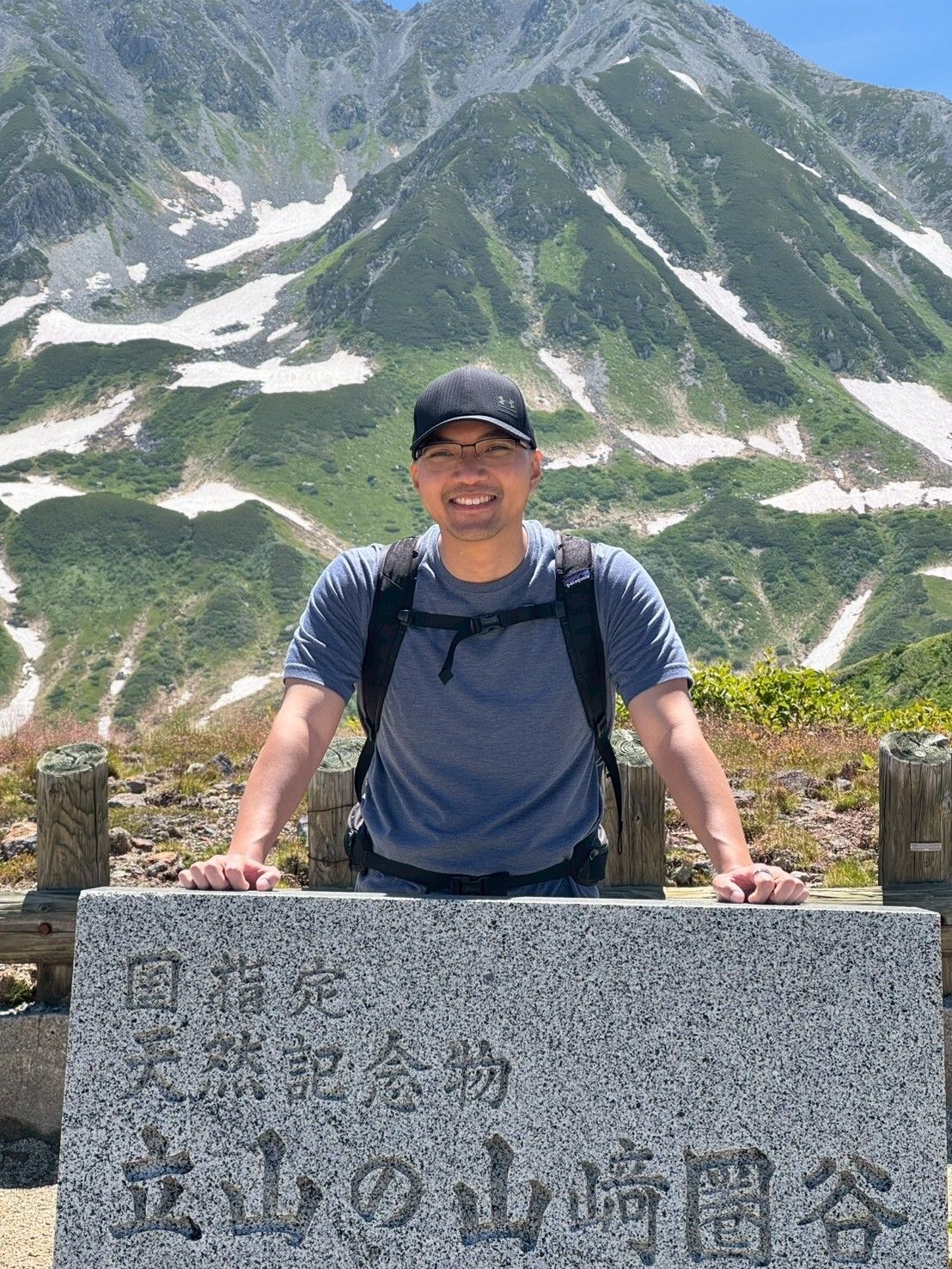
Alex has lived in Japan for 3 years. 8 years of dev behind him, with a specialization in the JS ecosystem (Next.js, React). His official role: Senior Software Engineer. Unofficially, he also does quite a bit of project management. Here's how he held a French client for 3 years from Tokyo.
Why Japan, and when to take the leap
"I wanted to try an adventure abroad and Abbeal had a branch in Canada and was about to open one in Japan. I was thinking of visiting Japan one day because people had told me it was very different. So I grabbed the opportunity Abbeal offered."
Working hours: a 100% remote dev, 7-8h later
Alex works roughly French hours. Japan is 7h or 8h ahead depending on France's time change. His Tokyo working hours: 2pm-3pm until midnight. Not trivial when you say it out loud, but it's workable — he comes back to that below.
From the client's and the team's point of view, he operates as a 100% remote dev. Tools: Google Meet and Slack. That's it. No magic, just rituals you stick to.
How he convinced the client
"I offered to align on French hours for 6 months. It's now been 3 years."
What this model brings
- Discover Japan while keeping a French work environment — Japan's can be very different and disorienting
- Organize time off differently: in Japan, holidays are mostly taken during Golden Week (late April-early May), Obon (mid-August) and New Year. Not depending on the Japanese calendar is real freedom
- The benefits of remote work: dodge rush hour (especially summer at 35°C), prevent random interruptions, be more productive
The challenges and how to work around them
The main challenge: the time difference. But once you've found a good rhythm with the client, it's negotiable. Alex offers two options that work:
- France-side presence in the morning only. You wrap around 7pm-8pm Tokyo (12pm-1pm France) — short overlap window but enough for the rituals
- Fully shifted days with 1h-2h of sync in the French morning. You wrap around 5pm-6pm Tokyo. Takes some organization with the client but doable
His advice
Ideally, you've already lived a 100% remote experience to know if it suits you. You can also drop by the Abbeal Tokyo office and meet the colleagues — that's often what unlocks the decision.
On managing the time difference: start by aligning on French hours with a 1h-2h shift while everyone finds their bearings and trust builds. Once the relationship is built, the adjustment is easy to bring up.
- Keep Google Calendar and Slack religiously up to date (status, visible agenda)
- Don't hesitate to schedule a call if written exchanges drag too much
- For asynchronous communication, read and apply nohello.net
— Alex, Senior Software Engineer at Abbeal, in Tokyo for 3 years.
// Read next
Mobbeal
Learning Japanese in Tokyo after JLPT N2: my daily routine.
No magic bullet to learn a language. Anki, WaniKani and Bunpro: the three tools I use daily to keep progressing in Japanese from Tokyo, on top of the private lessons Abbeal offers me.
5 min
Mobbeal
VIE Tokyo: Hugo, fullstack developer, left after 3 years at Toyota France.
26 years old, on VIE at Abbeal Tokyo since October 2025 on an IBM HCL Commerce (Java + JSP) e-commerce mission. How his Toyota Motor Manufacturing France experience shaped his Japan call, and how his French team's flexibility makes the time zone gap manageable.
5 min
Mobbeal
Where to live in Tokyo? My top 5 (subjective, no apologies), by Sébastien Lonjon.
After more than a year in Tokyo, Abbeal's CEO shares his 5 favourite neighbourhoods: Kōenji (punk), Shimokitazawa (slow indie), Kichijōji (park + postcard), Daikanyama (discreet chic) and his #1 Jiyūgaoka — where he lives with his family (nature, international schools, Shibuya access).
6 min
Mobbeal
Working Holiday Tokyo: Kevyn, mechanical engineer at Amplitude Laser, 1 year in Japan.
26 years old, high-energy laser mechanical engineer. Left on Working Holiday then switched to work visa. The 7-8h gap becomes an asset: his Tokyo nights = France days, urgent topics unblock in continuity. Plus a Shinto anecdote on lunch break.
6 min
Mobbeal
My top ramen in Tokyo: 4 spots that put me back in my place.
Abbeal's CEO shares his current top: Hujishiro (classic, no frills), Menya Kokoro (signature mazemen), Afuri (delicate yuzu shio), Tamotsu (deep broth, seasonal duck). Plus a #1 kept for direct contacts.
4 min